Punjab’s Bold Move: Lahore Bans Motorcycle Rickshaws
Punjab Bans Motorcycle Rickshaws Across Lahore Now
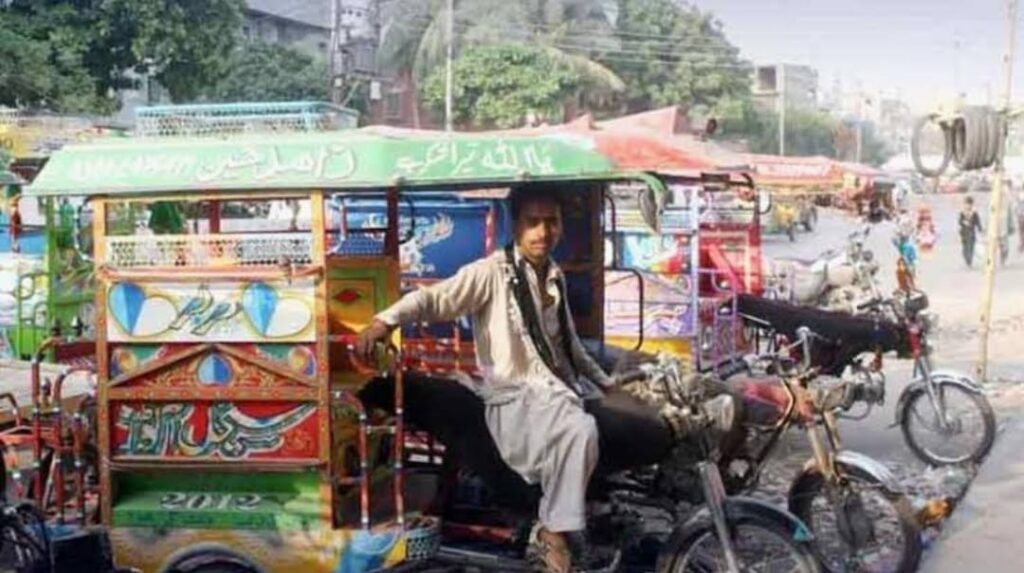
The Government of Punjab has officially announced a major step to improve traffic flow and environmental quality: a complete ban on motorcycle rickshaws in Lahore. This move has created a massive discussion across the city, especially among daily commuters and rickshaw owners who rely on these vehicles for income. The decision aims to bring better transport standards, reduce noise pollution, and create safer roads for millions of citizens. But what will this ban mean for Lahore’s transport future? Let’s dive deep into the full story.
Why Has Punjab Banned Motorcycle Rickshaws?
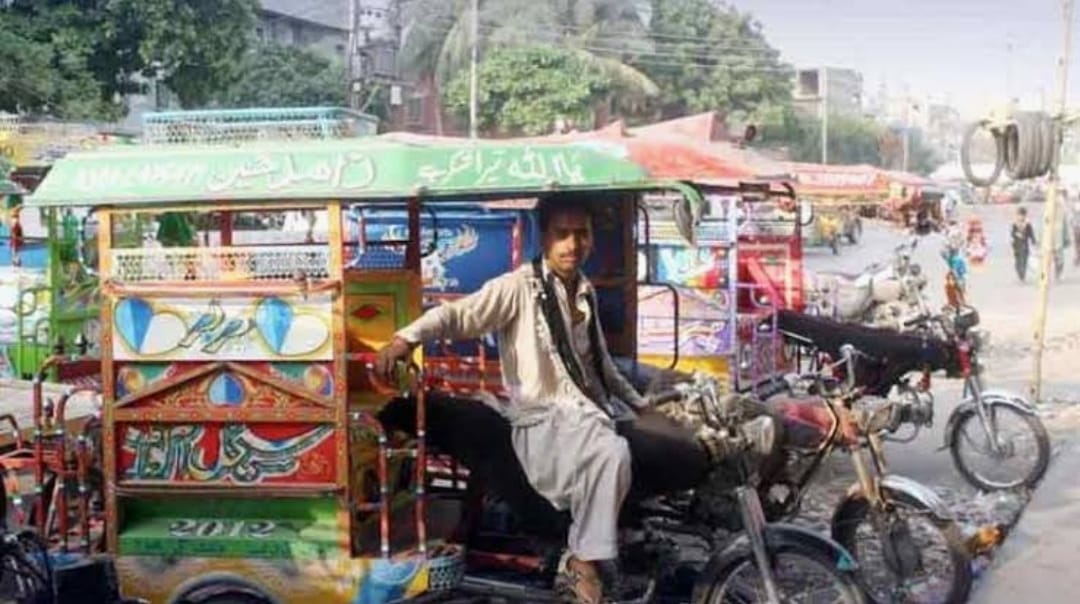
The key reason behind the ban is the rising concern over traffic congestion, air pollution, and unsafe driving practices. Motorcycle rickshaws, also known as Qingqi rickshaws, have been a popular transport choice in Lahore for decades. However, their unregulated expansion has created significant problems.
The government argues that motorcycle rickshaws contribute to overloaded roads, frequent accidents, and unauthorized routes. Since many operate without fitness certificates, road permits, or proper safety standards, officials believe Lahore needs a more organized transport structure.
The ban is part of Punjab’s broader goal to modernize urban transport and reduce hazardous emissions.
Impact on Daily Commuters
For thousands of people in Lahore, motorcycle rickshaws have been the cheapest and most accessible option. With the ban in place, many commuters now fear rising fares of alternative transports such as:
- Auto rickshaws
- Careem/Bykea rides
- Local buses
- Metro services
While these options are available, they may not cover all routes previously served by Qingqi rickshaws. This could lead to temporary inconvenience for passengers, especially students, workers, and people in suburban areas.
How the Ban Affects Rickshaw Owners
Perhaps the most affected group is the rickshaw owners and drivers. Thousands of families depend on motorcycle rickshaws for income. The ban has raised their concerns about livelihood and financial stability.
Many drivers argue that instead of banning, the government should impose strict regulations, register the vehicles, and issue fitness certificates. They believe proper rules could improve the system without affecting their income.
The Punjab government has hinted at offering alternative routes or opportunities, but official announcements are still awaited.
Environmental Benefits of the Ban
One of the strongest arguments in favor of the ban is environmental improvement. Lahore has been fighting severe smog for several years.
The ban is expected to improve:
- Air quality
- Noise pollution levels
- Fuel consumption control
- Emission reduction
Motorcycle rickshaws often use low-quality fuel and emit thick smoke, adding to Lahore’s pollution crisis. By removing them from the roads, the city hopes to breathe cleaner air, especially during peak smog season.
Traffic Control & Road Safety
The government also claims the ban will reduce road accidents. Many motorcycle rickshaws operate without proper braking systems, indicators, or road safety standards. They often overload passengers, increasing the risk of crashes.
By clearing them from main roads, the government aims to:
- Enhance lane discipline
- Reduce blockage at intersections
- Improve flow on busy routes like Mall Road, Canal Road, and Ring Road
- Lower accident rates
Better traffic control means safer roads for everyone—drivers, riders, and pedestrians.
Public Reaction: Mixed Emotions
The ban has received mixed reactions from Lahore’s citizens. Many appreciate the decision, believing the city needs stricter transport control. They hope this move will lead to:
- Cleaner air
- Less traffic jam
- Modernized transport options
However, others worry it may worsen transport accessibility in poorer areas. Some believe the ban came too suddenly without offering alternatives to rickshaw drivers or passengers.
This ongoing debate shows that while the ban may offer long-term benefits, its short-term challenges cannot be ignored.
The Future of Transport in Lahore
The Punjab government plans to introduce better and more efficient transport modes such as:
- Electric rickshaws
- Modern feeder buses
- Upgraded public transit routes
- Environment-friendly vehicles
If implemented well, these measures could transform Lahore into a more modern, organized, and eco-friendly city.
The ban on motorcycle rickshaws in Lahore is part of a bigger effort to reshape the city’s transport model. While the transition may be difficult, the government believes it will result in long-lasting benefits.
Final Thoughts
The Punjab government’s ban on motorcycle rickshaws is a bold step with both supporters and critics. It aims to cut pollution, improve road safety, and create a smoother transport system. Whether this decision becomes a success depends on how effectively the government provides alternatives and support for affected citizens.
About The Author