Is This the End of Rooftop Solar Energy?
Government Decides to End Net Metering: What It Means for Consumers
The recent announcement that the government decides to end net metering has sparked widespread debate among consumers, energy experts, and solar investors. Net metering has long been considered a key incentive for promoting renewable energy, especially rooftop solar systems. The decision to phase out or end this system marks a major shift in national energy policy, raising concerns about electricity costs, sustainability goals, and the future of solar power.
What Is Net Metering and Why Does It Matter?
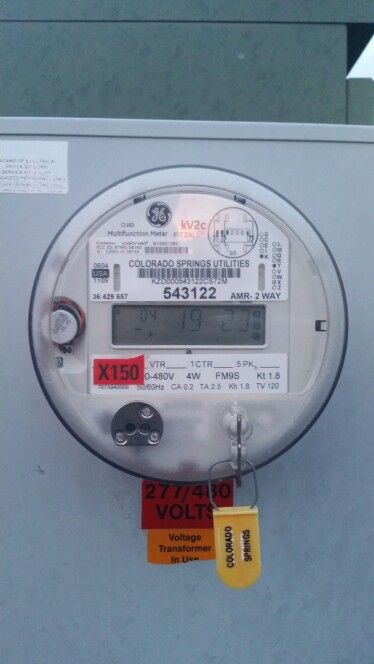
Net metering allows consumers who generate their own electricity—mainly through solar panels—to send excess power back to the grid in exchange for credits. These credits reduce electricity bills, making solar energy systems more affordable and attractive. For years, net metering has encouraged households and businesses to invest in renewable energy, reducing dependence on traditional power sources.
With the government ending net metering, this financial benefit may no longer be available, which could directly impact the adoption of rooftop solar installations.
Why Did the Government Decide to End Net Metering?
Several factors have contributed to the decision that the government decides to end net metering. One major concern is the financial pressure on power distribution companies. Authorities argue that net metering shifts grid maintenance costs to non-solar users, creating an imbalance in the power system.
Additionally, governments are exploring alternative energy compensation mechanisms that they believe may be more sustainable in the long run. Rising electricity demand, infrastructure challenges, and policy reforms have also played a role in this decision.
Impact on Solar Energy Users
The end of net metering could significantly affect existing and future solar energy users. Without net metering credits, consumers may see longer payback periods on their solar investments. This could discourage new installations, particularly among middle-income households who relied on net metering to offset high upfront costs.
Businesses that invested heavily in solar systems may also face higher operational costs. The decision that the government decides to end net metering could slow down the growth of decentralized renewable energy solutions.
Effect on Electricity Bills
One of the biggest concerns surrounding the end of net metering is the potential rise in electricity bills. Consumers who previously reduced their bills through solar credits may now have to rely more on grid electricity. This could increase monthly expenses, especially during peak usage seasons.
While governments claim that new pricing structures will be introduced, the transition period may create uncertainty and financial strain for consumers.
Environmental Concerns and Sustainability
Ending net metering may also impact national sustainability goals. Net metering has been a powerful tool in reducing carbon emissions by promoting clean energy. If solar adoption slows down, reliance on fossil fuels could increase, making it harder to achieve climate targets.
Environmental advocates argue that instead of ending net metering, governments should reform and improve it to support both utilities and renewable energy growth.
Possible Alternatives to Net Metering
As the government decides to end net metering, attention is shifting toward alternative models. These may include net billing, feed-in tariffs, or time-of-use pricing systems. While these alternatives may still allow consumers to sell excess power, the financial benefits are often lower compared to traditional net metering.
Clear policies and transparent implementation will be essential to ensure that renewable energy adoption does not suffer due to sudden policy changes.
What Should Consumers Do Now?
Consumers who already have solar systems should stay informed about policy updates and regulatory changes. Consulting energy experts and reviewing system efficiency can help maximize savings even without net metering. Those planning to install solar panels should carefully evaluate new policies before making investment decisions.
Understanding that the government decides to end net metering does not mean the end of solar energy—but it does require smarter planning and adaptation.
Final Thoughts
The decision that the government decides to end net metering represents a major turning point in the energy sector. While authorities emphasize grid stability and financial sustainability, consumers and environmentalists worry about rising costs and reduced renewable energy growth. Moving forward, balanced policies that protect both energy infrastructure and clean energy adoption will be crucial. The future of solar energy will depend on how effectively governments manage this transition.
About The Author