“Is Lahore breathing—or barely surviving?”
.
Is Lahore’s Air Quality Reaching a Crisis Point?
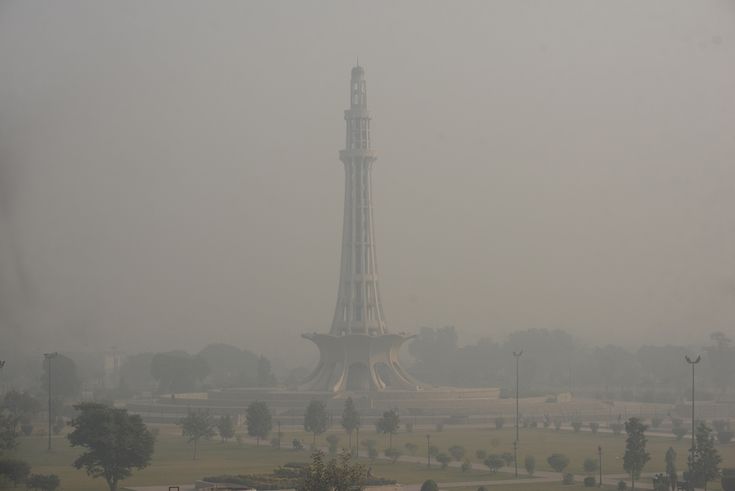
Lahore, one of Pakistan’s largest and most vibrant cities, is once again facing an alarming rise in pollution levels. As winter approaches, the city is enveloped in thick layers of smog, making breathing increasingly difficult for millions of residents. The deteriorating air quality in Lahore has become a major health and environmental concern, raising serious questions: How dangerous is the air now? and What steps can be taken to protect the city’s population?
Over the past decade, Lahore has consistently ranked among the world’s most polluted cities, but recent data shows the situation worsening faster than expected. The combination of weather changes, increased fuel emissions, crop burning, and industrial pollution has pushed the city into a state of environmental emergency.
Why Is Lahore’s Air Quality Getting Worse?
Several factors contribute to the rapid decline of Lahore’s air quality, especially during the winter season. The smog blanket is caused by a mixture of smoke, fog, and harmful pollutants that remain trapped in the air due to low wind speeds.
1. Vehicle Emissions on the Rise
The growing number of cars, motorcycles, and diesel vehicles is one of the biggest contributors to Lahore’s pollution. Without proper emission control systems, these vehicles release carbon monoxide, nitrogen oxide, and particulate matter (PM2.5) directly into the atmosphere.
2. Crop Burning in Nearby Areas
Every year, the burning of rice stubble in Punjab and across the border in India significantly adds to Lahore’s smog levels. When these smoke clouds drift over the city, they mix with fog and create a thick, toxic layer.
3. Industrial Pollution
Factories and brick kilns operating without filters continue to emit harmful smoke. Many of these industries use low-quality fuels that produce toxic chemicals and soot.
4. Construction Dust
Rapid urban development comes at a price. Dust from construction sites, unpaved roads, and demolition activities adds to already high pollution levels.
5. Weather Conditions
Cold weather and low wind speeds trap pollutants close to the ground, preventing them from dispersing. This creates a continuous smog layer over the city.
Health Risks of Lahore’s Deteriorating Air Quality
The worsening air is not just an environmental issue—it is a severe public health crisis. According to health experts, long-term exposure to toxic air can cause:
- Respiratory diseases
- Asthma attacks
- Lung infections
- Eye irritation
- Heart problems
- Low immunity
- Early aging and fatigue
Children, elderly individuals, and people with existing health conditions are at higher risk. Even healthy individuals can develop breathing problems when exposed to high levels of PM2.5, the most dangerous form of air pollutant.
How Lahore’s Air Pollution Affects Daily Life
The daily routines of millions are affected as smog thickens. Schools often shut down, flights get delayed, and outdoor activities become risky. Commuters experience eye irritation and breathing discomfort during morning and evening hours.
Businesses also suffer as workers face health-related absences. Healthcare facilities witness a sharp rise in complaints of throat infections, coughing, and breathing difficulties.
What Can Lahore Do to Improve Its Air Quality?
Although the situation is alarming, several steps can help reduce pollution if taken seriously and consistently.
✔ Stricter Emission Controls
Regular vehicle inspections, banning low-quality fuel, and promoting electric vehicles can significantly reduce emissions.
✔ Regulating Industries
Industries must install filters, follow environmental guidelines, and shift to cleaner fuel sources.
✔ Controlling Crop Burning
Authorities can work with farmers to introduce eco-friendly alternatives to stubble burning.
✔ More Urban Greenery
Planting trees along roadsides and in urban parks can help absorb pollutants and improve air quality.
✔ Public Awareness Campaigns
Encouraging citizens to carpool, reduce unnecessary travel, and avoid burning waste can make a big difference.
What Can Residents Do to Protect Themselves?
Until the government’s long-term measures take effect, residents must take steps to stay safe:
- Wear N95 masks outdoors
- Use indoor air purifiers
- Avoid morning walks during smog season
- Keep windows closed during peak smog hours
- Stay hydrated
- Seek medical help if breathing becomes difficult
Conclusion
Lahore’s air quality is indeed reaching a dangerous tipping point, and immediate action is needed from both the government and citizens. The current situation is a wake-up call—one that demands awareness, responsibility, and long-term planning. If Lahore fails to address its pollution challenges today, the city’s future generations may suffer the consequences. But with smart decisions, stricter policies, and community cooperation, there is still hope for a cleaner, healthier Lahore.
About The Author