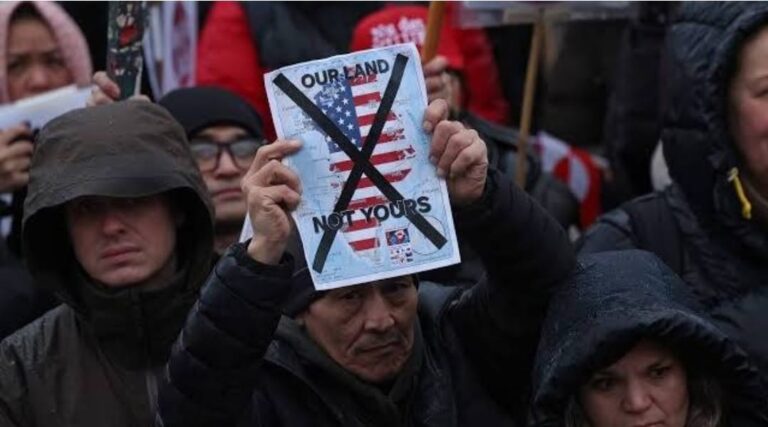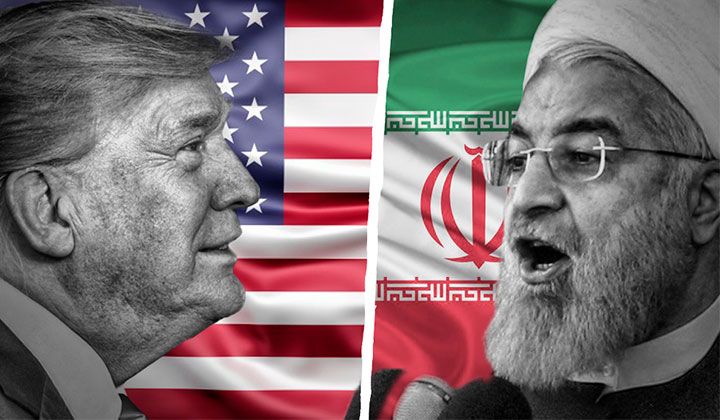
Opposition grows in US Congress over possible Iran action.
Is Opposition Growing in US Congress to Iran Action?
Opposition is steadily growing in the US Congress against any potential military action against Iran, highlighting deep divisions in Washington over foreign policy, war powers, and national security. As tensions in the Middle East continue to rise, lawmakers from both major parties are questioning whether escalating confrontation with Iran is in the best interest of the United States.
Growing Resistance in the US Congress
In recent weeks, several members of the US Congress have publicly expressed concerns about unilateral military decisions related to Iran action. Lawmakers argue that any military strike or escalation must receive clear congressional approval, as mandated by the US Constitution. This resistance reflects a broader debate over presidential war powers and the role of Congress in authorizing military force.
Many representatives fear that direct action against Iran could draw the US into another prolonged and costly conflict in the Middle East. With memories of Iraq and Afghanistan still fresh, lawmakers are increasingly cautious about endorsing military interventions without a clearly defined strategy and exit plan.
Bipartisan Concerns Over Military Escalation
Notably, opposition to Iran military action is not limited to one political party. Both Democrats and Republicans have voiced concerns, making this a bipartisan issue. Some Republican lawmakers emphasize fiscal responsibility and national security risks, while Democrats focus on diplomacy, international law, and avoiding civilian casualties.
This rare bipartisan pushback strengthens the argument that Congress wants a stronger voice in shaping US foreign policy. Several senators and representatives have introduced resolutions aimed at restricting unauthorized military action and reinforcing congressional oversight.
Calls for Diplomacy Over Conflict
A major theme among critics is the call for diplomatic engagement with Iran rather than military confrontation. Lawmakers argue that diplomacy, sanctions, and international cooperation are more effective tools for addressing concerns such as nuclear development and regional stability.
Supporters of diplomacy warn that military action could provoke retaliation against US allies, disrupt global oil markets, and further destabilize the Middle East. They emphasize that dialogue and negotiation remain essential for long-term peace and security.
War Powers and Constitutional Debate
At the heart of the debate is the issue of war powers. The US Constitution grants Congress the authority to declare war, yet recent administrations have often relied on executive authority to conduct military operations. This has led to growing frustration among lawmakers who believe Congress has been sidelined.
Several proposed measures seek to clarify and limit the president’s ability to initiate Iran action without congressional consent. These efforts aim to restore balance between the executive and legislative branches and ensure democratic accountability in decisions of war and peace.
Public Opinion and Political Pressure
Public opinion also plays a significant role in shaping congressional resistance. Polls indicate that many Americans are wary of another foreign war, especially amid economic challenges at home. Rising inflation, healthcare costs, and domestic priorities have made voters less supportive of overseas military adventures.
Lawmakers facing upcoming elections are particularly sensitive to these concerns. As a result, opposition to US military action against Iran is gaining momentum, fueled by both political calculation and genuine policy concerns.
Implications for US–Iran Relations
The growing opposition in Congress could significantly impact US–Iran relations. If Congress succeeds in limiting military action, it may push the administration to prioritize diplomatic solutions and multilateral engagement. This could open the door for renewed negotiations and confidence-building measures.
However, critics argue that excessive restraint could embolden Iran. Supporters of a tougher stance insist that maintaining military readiness is necessary to deter aggression. This ongoing debate underscores the complexity of balancing diplomacy and deterrence.
Conclusion
The question “Is opposition growing in US Congress to Iran action?” can increasingly be answered with a clear yes. Rising bipartisan resistance, constitutional concerns, public pressure, and calls for diplomacy are reshaping the debate in Washington. As tensions persist, the role of Congress in authorizing and overseeing military action is likely to remain a central issue.
Whether this opposition will successfully prevent future Iran military action remains uncertain. What is clear, however, is that Congress is asserting itself more forcefully, signaling a potential shift in how the United States approaches conflict, diplomacy, and global leadership.
About The Author