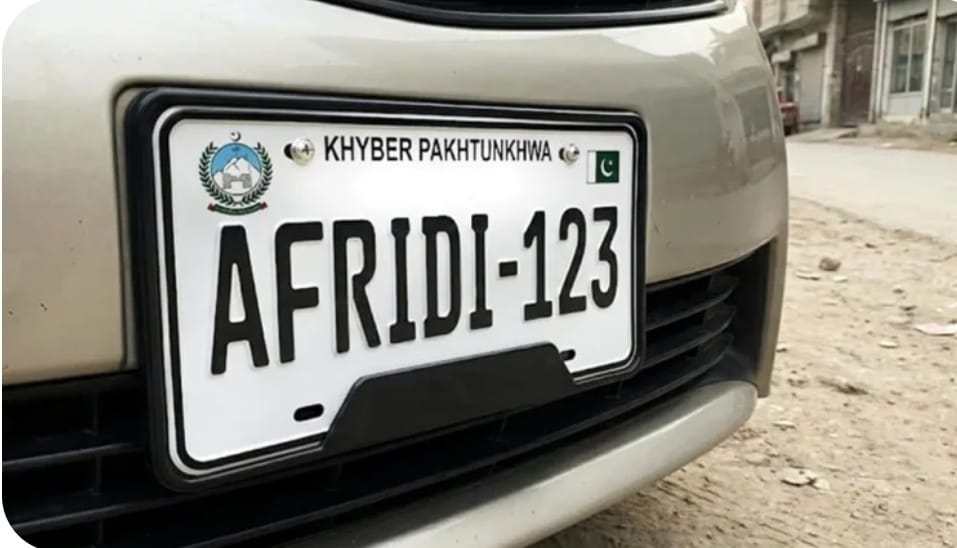
KP gears up to auction exclusive vehicle number plates 🚗
KP to Auction Unique Number Plates: What You Need to Know
The Khyber Pakhtunkhwa (KP) government’s decision to auction unique number plates has created strong interest among vehicle owners, investors, and automobile enthusiasts. This initiative is not only aimed at generating revenue for the province but also at bringing transparency and modernization to the vehicle registration system. With premium and fancy number plates gaining popularity across Pakistan, KP’s move is being seen as a timely and strategic step.
What Are Unique Number Plates?
Unique number plates, often called fancy or premium plates, are special vehicle registration numbers that stand out due to their rarity, repetition, or symbolic value. Numbers like 1, 7, 786, 111, 222, or personalized combinations are highly sought after. For many people, these plates represent status, identity, and prestige, while others associate them with luck, religion, or branding purposes.
Why Is KP Auctioning Unique Number Plates?
The primary reason behind the KP number plate auction is to increase provincial revenue without imposing additional taxes on the public. Similar auctions in Punjab and Sindh have proven highly successful, generating millions of rupees. KP aims to follow this model while ensuring a fair and competitive bidding process.
Another important objective is to discourage illegal practices, such as unauthorized number plate sales and duplication. Through a transparent auction system, the government can regulate premium registrations and ensure that only legally issued plates are used on the roads.
How Will the Auction Process Work?
According to officials, the unique number plates auction in KP will likely be conducted through a public and transparent bidding system. The process may include:
- Online registration for bidders
- A published list of available premium numbers
- Open bidding either online or through designated auction halls
- Clear payment procedures and official documentation
This system ensures equal opportunity for all participants and reduces the risk of favoritism or corruption.
Who Can Participate in the Auction?
Any registered vehicle owner or buyer who meets the legal requirements will be eligible to participate in the auction. Business owners, celebrities, and collectors are expected to show significant interest, as premium number plates are often used for branding, luxury vehicles, and corporate identity.
Additionally, overseas Pakistanis may also participate if online bidding options are introduced, further increasing competition and revenue.
Expected Benefits for KP Government
The auction of unique number plates is expected to bring multiple benefits:
- Revenue Generation: High-demand numbers can fetch large sums, contributing directly to the provincial treasury.
- System Transparency: A regulated auction reduces illegal number plate trade.
- Digital Transformation: Online bidding promotes e-governance and efficiency.
- Public Trust: Fair processes help build confidence in government initiatives.
Public Reaction and Market Demand
Public response to the announcement has been largely positive. Many citizens believe that auctioning fancy number plates is a better alternative than increasing fuel prices or taxes. Social media discussions show strong interest, especially among young car enthusiasts and luxury vehicle owners.
Market experts predict that rare numbers like single-digit plates or religiously significant numbers could attract intense bidding, pushing prices significantly higher than standard registration fees.
Comparison With Other Provinces
Punjab and Sindh have already conducted successful auctions of exclusive vehicle number plates, generating substantial revenue. KP’s decision aligns with national trends and reflects a growing demand for personalized vehicle registrations. By learning from other provinces’ experiences, KP can implement a more efficient and corruption-free system.
Challenges and Concerns
Despite the positive outlook, some concerns remain. Critics argue that premium number plate auctions benefit only the elite, while common citizens see little direct advantage. Others emphasize the need for strict monitoring to prevent misuse or favoritism during the bidding process.
To address these concerns, the KP government must ensure clear rules, public access to information, and post-auction audits.
Conclusion
The KP government’s plan to auction unique number plates marks a significant step toward modernizing vehicle registration and boosting provincial revenue. If implemented transparently and efficiently, this initiative can set a positive example for governance while meeting public demand for exclusive vehicle numbers.
As interest continues to grow, the upcoming auction is expected to attract wide participation and generate strong financial returns. For vehicle owners seeking distinction and for the government seeking sustainable income, the auction of unique number plates in KP could be a win-win move.
About The Author