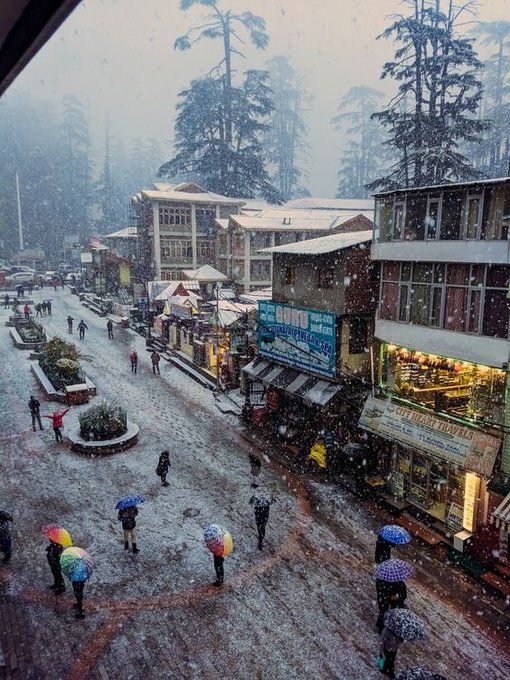
From north to south, extreme cold grips Pakistan 🌬️ Stay informed, stay safe.
Why Is Pakistan Experiencing Extremely Cold Weather?
Pakistan is currently witnessing extremely cold temperatures, leaving millions of people asking an important question: why is Pakistan experiencing such severe cold weather? From northern mountainous regions to major cities like Lahore, Islamabad, and Karachi, the chill is being felt nationwide. This unusual cold spell has disrupted daily life, affected agriculture, and increased health risks, especially for vulnerable communities.http://www.globafy360.com
A Nationwide Cold Wave
The extreme cold in Pakistan is not limited to one region. Northern areas such as Gilgit-Baltistan, Skardu, Hunza, and Murree are recording sub-zero temperatures, while plain areas are also facing temperatures much lower than seasonal averages. In some cities, early morning temperatures have dropped sharply, accompanied by dense fog, making travel difficult.
Meteorological experts describe this as one of the harshest winter spells in recent years, raising concerns among citizens and authorities alike.
What’s Causing Extremely Cold Temperatures in Pakistan?
Several climatic factors are contributing to this severe cold wave in Pakistan:
- Western Disturbances
Pakistan’s winter weather is heavily influenced by western disturbances originating from the Mediterranean region. This year, strong and frequent western weather systems have brought icy winds, rain, and snowfall. - Cold Air from Siberia
A major reason behind the intense cold weather is the influx of cold Siberian air. This dry and freezing air mass has pushed temperatures down across South Asia, including Pakistan. - Climate Change Effects
While global warming is generally associated with rising temperatures, it also causes extreme weather patterns. Climate experts believe that climate change in Pakistan is increasing the frequency of unusual cold waves, heatwaves, and unpredictable seasons.
Is This the Coldest Winter Pakistan Has Seen?
Many people are asking: Is this Pakistan’s coldest winter ever? While historical data shows colder winters in the past, meteorologists agree that this winter stands out due to its intensity, duration, and geographical spread. The cold has lasted longer than usual, with little relief during daytime.
In urban areas, poor insulation and lack of central heating systems have made the situation worse, especially for low-income households.
Impact on Daily Life and Health
The extremely cold temperatures in Pakistan have significantly affected daily routines:
- Health Risks: Cold-related illnesses such as flu, pneumonia, and asthma have increased. Children and the elderly are particularly at risk.
- Energy Crisis: Increased use of heaters and gas appliances has worsened Pakistan’s energy shortage, leading to gas load shedding in many areas.
- Transportation Issues: Dense fog and icy roads have caused delays and accidents on highways and motorways.
- Education Disruptions: In colder regions, schools have been closed or timings adjusted to protect students.
Effect on Agriculture and Livestock
Pakistan’s agricultural sector is also feeling the impact of this severe winter weather. Frost has damaged crops such as vegetables and fruits, especially in Punjab and Khyber Pakhtunkhwa. Farmers fear reduced yields, which could lead to higher food prices in coming weeks.
Livestock in rural areas face serious risks due to lack of shelter and fodder, increasing economic pressure on farmers.
How Long Will the Extreme Cold Last?
One of the most common questions is: How long will extremely cold weather last in Pakistan? According to weather experts, cold conditions may persist for several more weeks, with occasional relief during daytime. However, another cold wave cannot be ruled out, especially in January and early February.
Citizens are advised to stay updated with official weather forecasts and follow safety guidelines.
Safety Tips During Extreme Cold
To stay safe during extremely cold weather in Pakistan, experts recommend:
- Wear layered warm clothing
- Avoid unnecessary travel during foggy hours
- Use heaters safely to prevent gas leaks or carbon monoxide poisoning
- Protect children, elderly people, and pets from exposure
- Support vulnerable communities with warm clothes and blankets
Conclusion
The extreme cold wave in Pakistan is a reminder of the country’s growing vulnerability to climate extremes. Understanding why Pakistan is experiencing extremely cold weather helps people prepare better and take preventive measures. As climate patterns continue to change, such intense winters may become more frequent, making preparedness and awareness more important than ever.
Staying informed, cautious, and supportive can help communities
About The Author