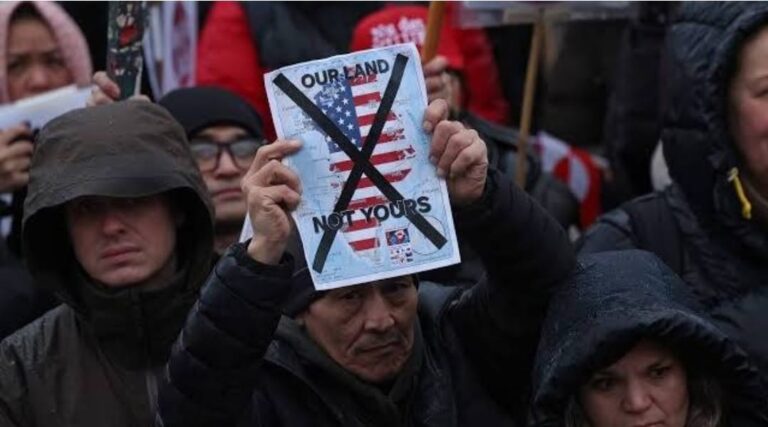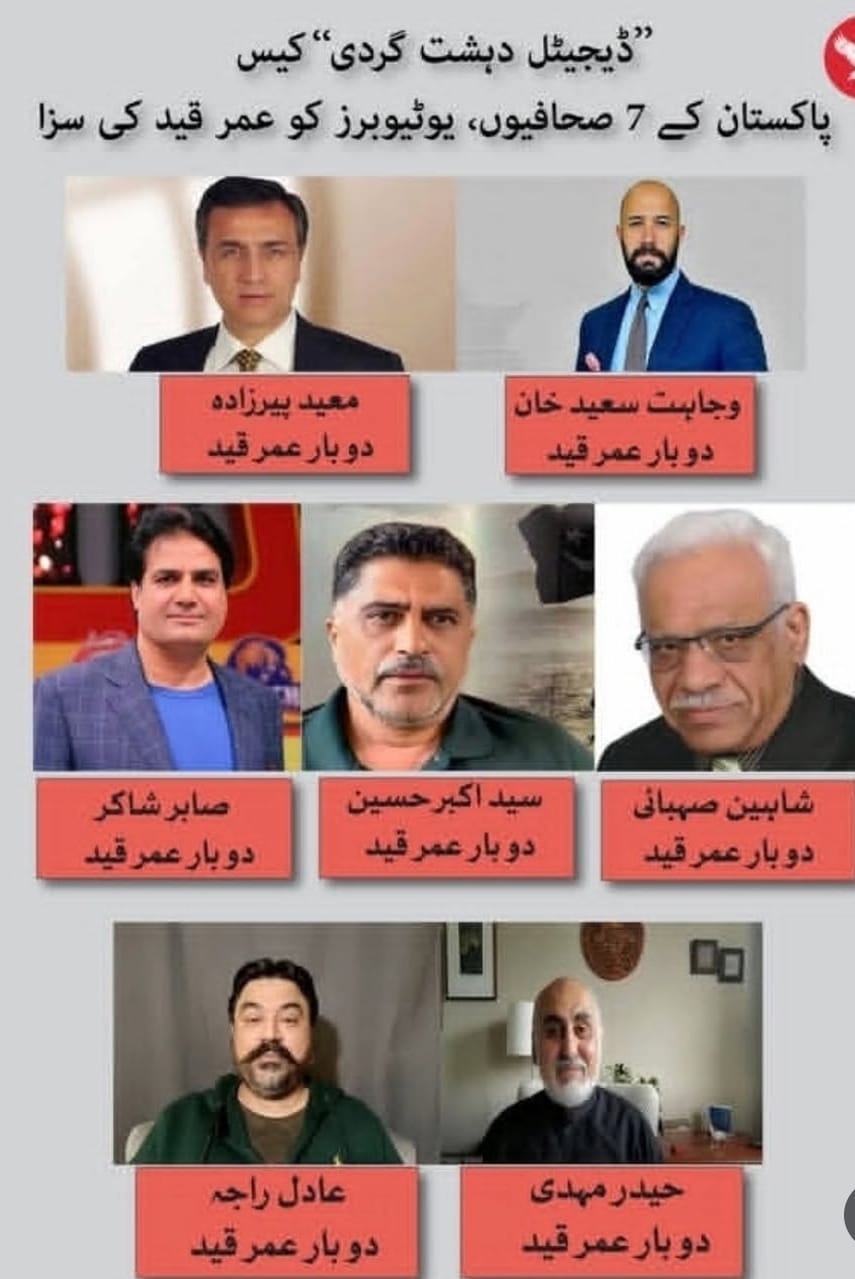
Pakistan’s cyber laws under fire after journalists get life terms.
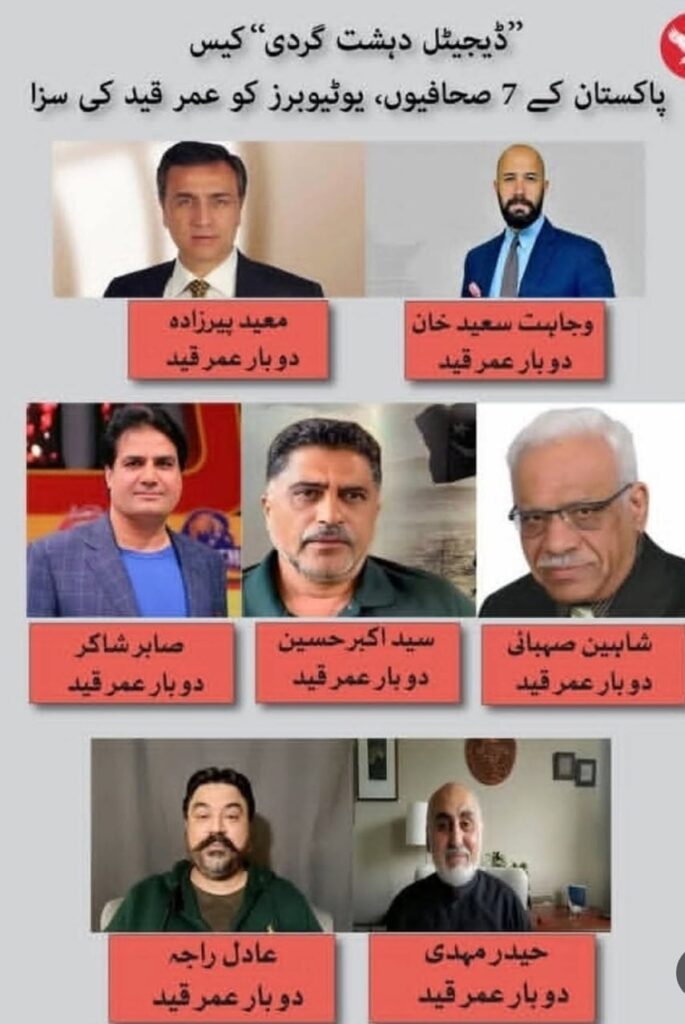
Why Were Journalists and YouTubers Given Life in Pakistan?
The recent sentencing of journalists and YouTubers to life imprisonment in Pakistan has sparked intense debate across the country and beyond. The case, widely described as a digital terrorism case, has raised serious questions about freedom of expression, digital laws, and the limits of online activity in Pakistan. As social media continues to shape public opinion, this development has become a major talking point among media professionals, human rights activists, and legal experts.
What Is the Digital Terrorism Case?
According to official sources, the case involves allegations of digital terrorism, a term used under Pakistan’s cybercrime and anti-terrorism laws. Authorities claim that the accused journalists and YouTubers used online platforms, including YouTube and social media networks, to spread content that allegedly threatened national security, promoted hate narratives, or caused public unrest.
Under Pakistan’s strict cyber laws, such activities can fall under anti-terrorism legislation, which allows for severe punishments. The court ruled that the digital content shared by the accused crossed legal boundaries, leading to the controversial decision of life imprisonment.
Why Is This Case So Controversial?
The sentencing has become controversial because it directly affects members of the media and digital community. Critics argue that journalists and YouTubers play a crucial role in informing the public, questioning authorities, and highlighting issues ignored by mainstream platforms.
Human rights organizations believe that labeling online speech as digital terrorism sets a dangerous precedent. They warn that such actions could discourage independent journalism and silence critical voices. Many fear that the decision may restrict freedom of speech in Pakistan, especially in the rapidly growing digital media sector.
Government’s Position on the Issue
The government maintains that the verdict is based on law and evidence, not on suppressing dissent. Officials argue that digital platforms are powerful tools and must be used responsibly. According to them, spreading misinformation, inciting violence, or undermining state institutions online cannot be justified under the banner of free speech.
Authorities emphasize that Pakistan’s cybercrime laws are designed to protect citizens, institutions, and national stability. From their perspective, the punishment serves as a warning that misuse of digital media will not be tolerated.
Reaction from Media and Civil Society
The reaction from the journalist community and civil society has been swift and emotional. Press clubs, digital rights groups, and international watchdogs have expressed deep concern. Many believe the punishment is too harsh and disproportionate to the alleged offenses.
On social media, hashtags demanding justice for journalists and YouTubers began trending, reflecting public anxiety over shrinking digital freedoms. Several analysts have called for a review of cyber laws to ensure they are not misused against media professionals.
Impact on Digital Media in Pakistan
This case could have long-term consequences for digital content creators in Pakistan. YouTubers, bloggers, and online journalists may start practicing self-censorship to avoid legal trouble. Experts warn that fear-driven content creation could reduce transparency and limit diverse opinions.
At the same time, the case highlights the urgent need for clear digital regulations that balance national security with freedom of expression. Without clarity, the line between criticism and crime may remain blurred.
International Perspective
Globally, Pakistan is already under scrutiny for its media freedom record. International organizations have urged Pakistani authorities to ensure that anti-terror laws are not used to silence journalists. The case has been reported by global media as a test of Pakistan’s commitment to democratic values in the digital age.
What Happens Next?
Legal experts suggest that the convicted individuals may file appeals in higher courts, which could lead to a review of the verdict. The outcome of these appeals will be crucial, not just for the accused, but for the future of digital journalism in Pakistan.
Conclusion
The question, “Why were journalists and YouTubers given life in Pakistan?”, goes beyond a single court case. It reflects a broader struggle between state authority, digital freedom, and responsible journalism. As Pakistan navigates the challenges of the digital era, this case may become a landmark moment shaping the future of online expression and media laws in the country.
About The Author