ECP’s bold move shakes PTI leadership!
ECP Rejects Gohar as PTI Chairman — What It Means for PTI
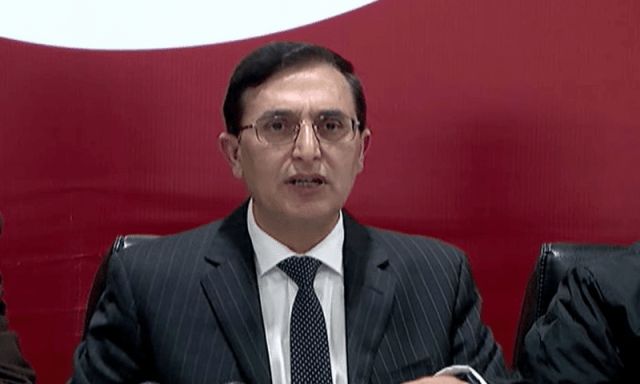
In a dramatic turn of events, the Election Commission of Pakistan (ECP) has officially rejected Gohar Khan as the nominee for chairman of Pakistan Tehreek‑e‑Insaf (PTI), sending shockwaves through the party’s leadership. The decision raises urgent questions about the future direction of PTI and its internal stability — and could reshape the party’s fate ahead of key political challenges.
Why the Rejection Matters
ECP’s decision to turn down Gohar’s nomination is a significant blow to PTI’s leadership ambitions. The move comes at a time when the party is seeking unity and clarity. By rejecting Gohar, ECP has disrupted PTI’s plans and reopened internal debates over who should lead the party at a critical juncture.
For PTI supporters, Gohar was more than just a placeholder — he represented continuity, a stable transition, and a chance for PTI to regroup under a new face. With Gohar out, the party now faces uncertainty, internal conflict, and urgent decisions about who can credibly step into leadership.
Implications for PTI’s Internal Politics
The rejection instantly creates a vacuum in PTI’s top leadership. Without a chairman, PTI risks factional divisions, power struggles, and loss of direction. What’s especially troubling: any delay in naming a new leader could undermine the party’s public image and confidence among its supporters.
- Factionalism risk: As influential figures vie for leadership, PTI may experience internal splits or disagreements.
- Weakening of morale: Rank-and-file supporters might feel disillusioned or uncertain about PTI’s future course.
- External perception: Political opponents may view this as a sign of weakness, possibly exploiting the leadership void.
What Triggered ECP’s Decision?
While ECP’s formal reasons may vary depending on legal or procedural grounds, the rejection suggests that Gohar’s nomination did not meet certain eligibility criteria or submission requirements. Whether this was due to paperwork, internal party procedure violations, or other technicalities, the verdict clearly indicates that PTI’s attempt to install Gohar as chairman was non-compliant with ECP standards.
This outcome underscores that even major parties like PTI must comply strictly with election laws and regulatory protocols — otherwise risk invalidation of key nominations.
SEO Perspective: Why This Story Is Important
This development is attracting widespread attention across news outlets, social media conversations, and political analysis forums. From an SEO standpoint, several factors drive its relevance and reach:
- High search interest: Keywords like “ECP rejects Gohar”, “PTI chairman nomination rejected”, “Gohar PTI news”, “PTI leadership crisis” are trending.
- Political significance: As one of Pakistan’s major political parties, PTI’s internal crisis resonates nationally — driving clicks, shares, and engagement.
- Timeliness: The news is fresh; timely coverage ensures high visibility.
- Public curiosity: Many want to know: What’s next for PTI? Who will lead? How will this affect national politics?
By covering these angles, articles on this topic tend to perform well in search rankings and maintain relevance for days as follow-up developments emerge.
What’s Next? — What PTI Might Do
In response to the rejection, PTI faces multiple pathways:
- Propose a new nomination — The party may put forward a different candidate for chairman.
- Legal challenge or appeal — PTI could attempt to contest ECP’s decision through legal recourse or internal review.
- Reassess internal leadership strategy — Perhaps convene an internal meeting to settle on a consensus leadership arrangement.
- Communicate with supporters — To maintain morale, PTI leadership will need to reassure members and clarify next steps quickly.
Which strategy the party adopts — and how quickly — could determine PTI’s strength, unity, and credibility in the coming weeks.
What This Means for Pakistani Politics
This rejection doesn’t just affect PTI internally. The leadership vacuum could shift power balances across the political landscape. Opposing parties may seize this opportunity to press their advantage; independent candidates might sense emerging openings; and media coverage will likely intensify scrutiny of PTI’s future moves.
For voters and observers, the key questions now are: Can PTI reorganize efficiently? Will a new strong leader emerge? And will the party manage to preserve unity and direction — or crumble under pressure?
The ECP’s rejection of Gohar’s nomination as PTI chairman is more than a procedural setback. It’s a pivotal moment for PTI — a moment that could redefine the party’s trajectory, influence Pakistani politics, and impact public trust. As developments unfold, what really matters is how PTI responds: with clarity, unity, and decisive leadership.
About The Author