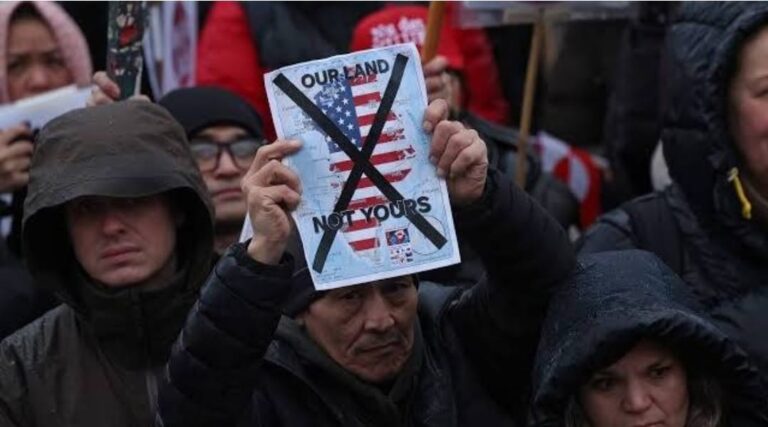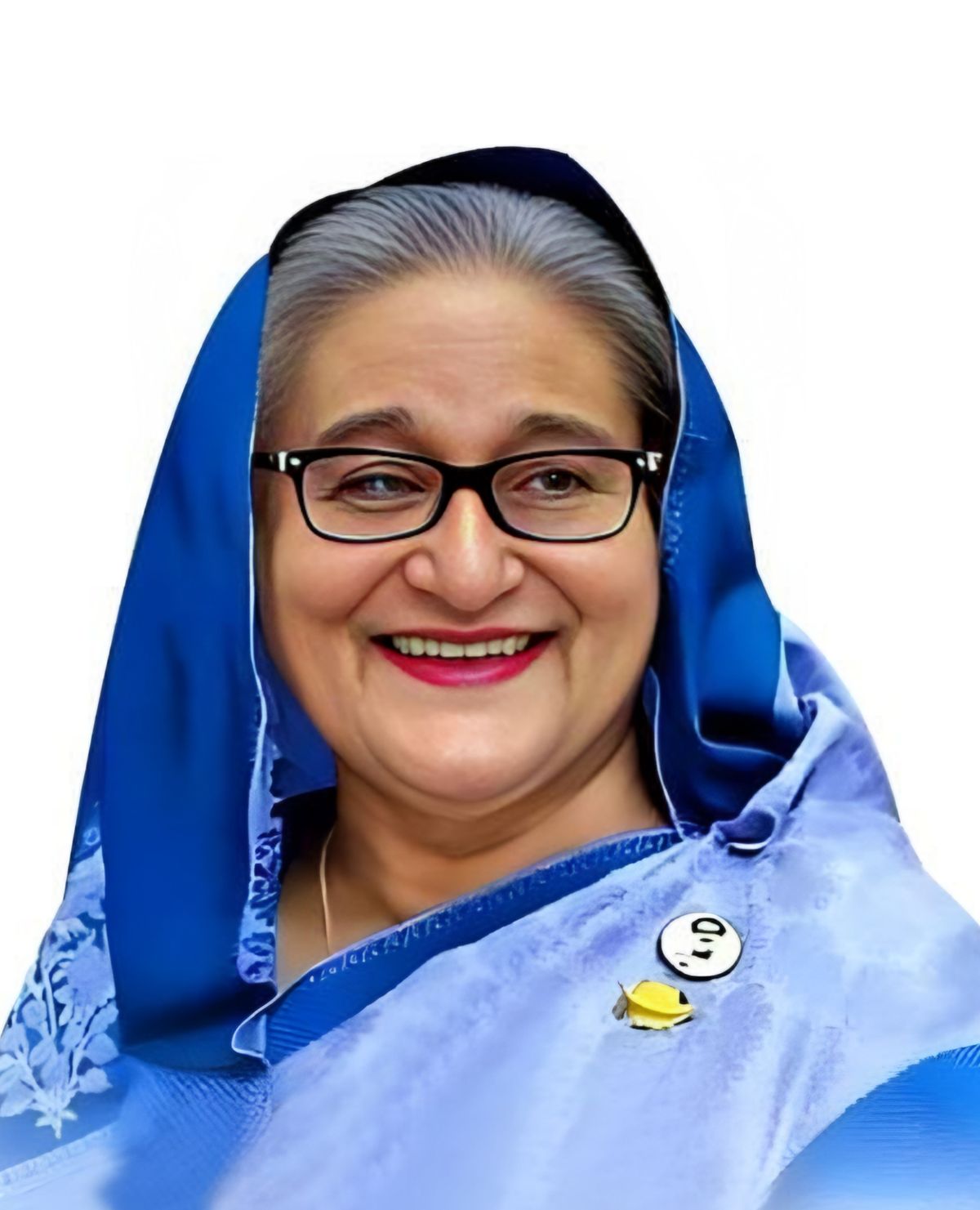
“Historic judgement: Hasina’s fate sparks global debate.”
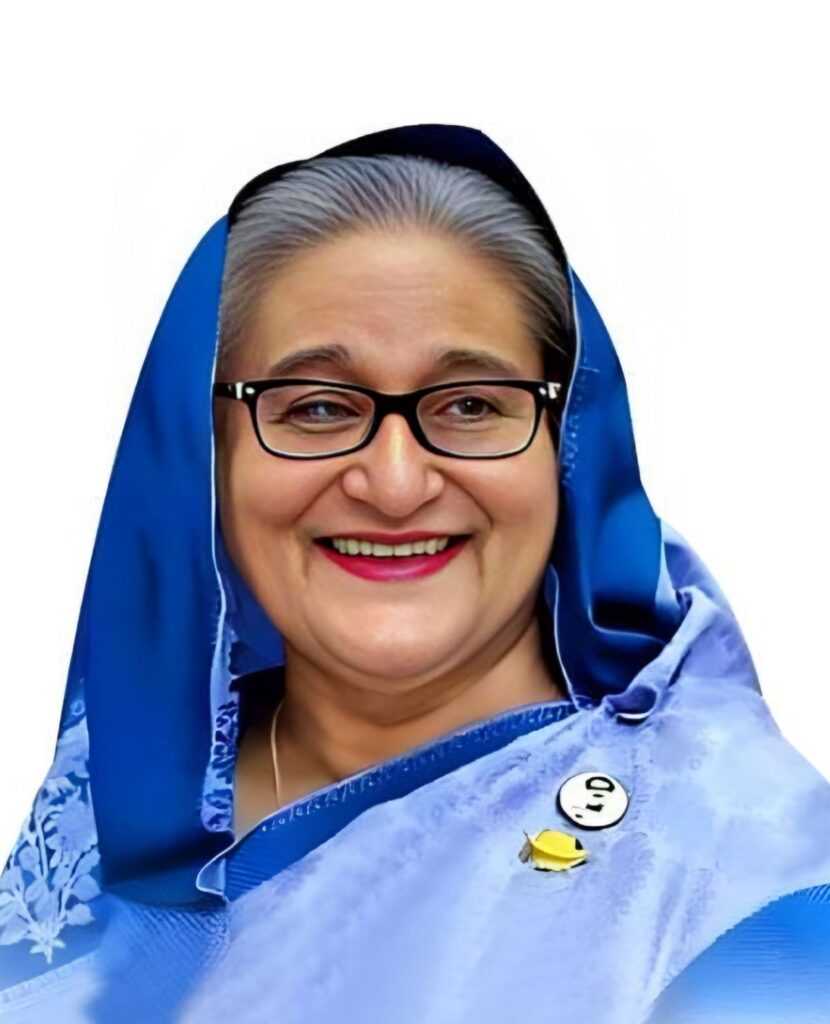
Has Sheikh Hasina Been Sentenced to Death? – A Detailed Analysis
The news surrounding former Bangladeshi Prime Minister Sheikh Hasina and reports of a death sentence has sparked intense debate, shock, and global attention. While the situation remains politically charged and emotionally sensitive, it is important to understand the background, the allegations, and the wider impact such a decision could have on Bangladesh’s political and social landscape. This article explores the issue in a balanced and detailed way, focusing on facts, legal context, and expert analysis.
Background of the Case
Sheikh Hasina, one of the most influential political leaders in South Asia, served multiple terms as the Prime Minister of Bangladesh. Her long tenure was marked by major economic growth, infrastructure development, and a strong grip on political power. However, she also faced criticism regarding human rights, alleged suppression of the opposition, and heavy-handed responses to protests.
The roots of the current case go back to student-led protests, political violence, and allegations that government forces used excessive force during her rule. According to tribunal proceedings, Hasina was accused of authorizing harsh measures that resulted in fatalities. These charges eventually formed the basis of a trial that was conducted when she was no longer in power.
What made the situation more complicated is that the trial reportedly occurred in her absence, as she had already left the country. Many political analysts argue that trials in absentia often raise ethical and legal concerns regarding fairness, representation, and the right to defend oneself in court.
The Tribunal and the Allegations
The tribunal overseeing this case accused Sheikh Hasina of crimes against humanity, a very serious charge usually applied in the international legal system for extreme violations of human rights. The allegations included:
- Ordering the use of force during protests
- Failing to prevent large-scale casualties
- Abuse of power
- Encouraging actions that led to deaths of demonstrators
The tribunal’s decision to issue a death sentence immediately drew strong reactions. Some critics claim the decision may have been influenced by political motives rather than purely legal grounds. Others argue that if credible evidence was presented, the court had the right to pursue justice according to Bangladeshi law.
Political Reactions and Public Response
The announcement intensified political tensions in Bangladesh. Supporters of Sheikh Hasina strongly reject the verdict, calling it a politically engineered move aimed at permanently removing her from the political stage. They argue that without her presence in court and without the opportunity to defend herself directly, the fairness of the trial is questionable.
On the other hand, families of victims who lost their lives during the protests have labeled the judgement a form of long-awaited justice. For them, the verdict symbolizes accountability at the highest level.
The opposition parties and rights groups remain divided. Some believe that the decision will deepen political polarization, while others say it may pave the way for restructuring Bangladesh’s democratic system if handled transparently.
Legal Possibilities and Next Steps
Even after such a severe ruling, several legal doors remain open. She may still have the right to appeal, depending on the provisions of Bangladeshi law regarding trials in absentia. Appeals could potentially overturn, reduce, or suspend the sentence.
Additionally, the constitutional authority of the President allows for mercy petitions, sentence reduction, or even full pardon in special circumstances. This means that the final outcome is still uncertain and may change depending on political developments and legal negotiations.
International and Human Rights Perspective
Human rights organizations worldwide usually scrutinize trials, especially those that lead to death sentences. Many international observers emphasize the need for transparency, due process, and the defendant’s right to participate in their own defense. Questions such as:
- Was evidence independently verified?
- Was the process free from political pressure?
- Were international legal standards followed?
remain central to global discussions on this case.
International governments, especially those in South Asia, may also respond cautiously, as such decisions can affect diplomatic relations, refugee policies, regional stability, and security cooperation.
Impact on Bangladesh
The political climate in Bangladesh is already sensitive, and this verdict adds another layer of complexity. It could lead to:
- Increased protests or demonstrations
- Stronger political divides
- Uncertainty ahead of future elections
- International pressure for transparency
- Potential reshaping of party leadership
Bangladesh’s long-term stability will depend on how the government, judiciary, opposition, and global community handle the coming months.
Conclusion
The question “Has Sheikh Hasina been sentenced to death?” is not just a headline—it’s a deeply complex issue rooted in politics, law, history, and human rights. While a tribunal has reportedly issued such a verdict, the fairness, legitimacy, and long-term consequences of this decision remain hotly debated.
As the situation evolves, the world will be watching how Bangladesh navigates one of the most significant legal and political moments in its modern history.
About The Author