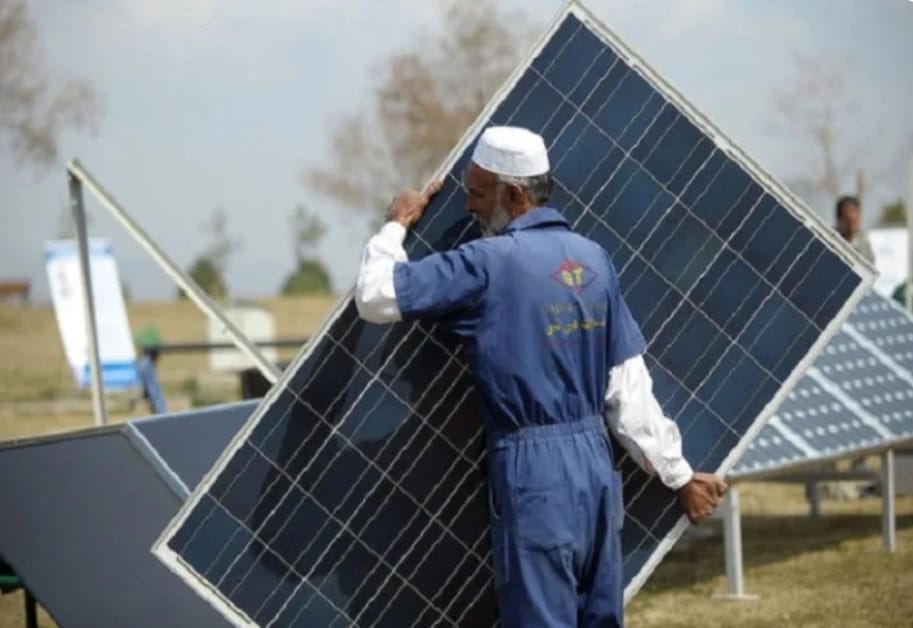
🔋 Solar power is transforming Pakistan’s future — one rooftop at a time!
Is Pakistan Leading a Solar Energy Revolution?
Pakistan is witnessing a remarkable transformation in its energy sector as solar power gains unprecedented momentum. With increasing sunlight potential, government initiatives, and private sector participation, the country is moving toward a sustainable and cleaner energy future. But the question remains — is Pakistan truly leading a solar energy revolution?
Pakistan’s Energy Landscape: A Shift Toward the Sun
For decades, Pakistan has faced recurring energy crises due to heavy dependence on imported fossil fuels and outdated power infrastructure. Frequent blackouts, rising electricity costs, and environmental degradation pushed the government and citizens to look for alternatives.
Solar energy emerged as the most viable and affordable solution. With over 300 sunny days a year, Pakistan’s geography is ideal for harnessing solar power. From small home setups to massive solar parks, the shift toward renewable energy is now more than a trend — it’s a revolution in motion.
Government Policies Powering Solar Growth
The Pakistani government has recognized the need for clean and sustainable power. Through policies like the Alternative and Renewable Energy Policy 2019, the aim is to achieve 30% renewable energy by 2030. This ambitious goal includes large-scale solar and wind projects to reduce dependence on imported fuel.
In addition, net metering regulations have allowed households and businesses to sell excess solar power back to the grid. This initiative not only promotes green energy but also encourages citizens to invest in solar panels, cutting their electricity costs drastically.
Major Solar Projects Lighting Up the Nation
One of the most prominent examples of Pakistan’s solar success is the Quaid-e-Azam Solar Park (QASP) in Bahawalpur, Punjab. With a capacity of 1,000 MW, it stands among the largest solar power projects in South Asia.
Other regions, including Sindh and Balochistan, are also seeing a rise in solar farms. Rural communities, once left in the dark, are now turning to off-grid solar solutions, improving their quality of life and boosting economic activity.
Private Sector and Foreign Investment
Private companies and international investors are now playing a vital role in Pakistan’s solar journey. Partnerships with China, especially under the China-Pakistan Economic Corridor (CPEC), have accelerated solar infrastructure development.
Local startups and renewable energy firms are also emerging, offering affordable solar kits for homes, schools, and businesses. This mix of foreign investment and domestic innovation is propelling Pakistan toward energy independence.
Environmental and Economic Impact
Switching to solar power is not just an economic advantage — it’s an environmental necessity. Pakistan ranks among the top 10 countries most affected by climate change. Solar energy significantly reduces carbon emissions, combats global warming, and lessens pollution from thermal power plants.
Economically, the solar industry is generating thousands of new jobs — from installation and maintenance to manufacturing. As more households switch to solar, the demand for skilled labor, equipment, and services continues to rise, creating a green economy that benefits everyone.
Challenges on the Path to Solar Dominance
Despite impressive progress, challenges remain. Import taxes on solar equipment, fluctuating policy implementation, and limited financing options still slow down widespread adoption. Moreover, the national grid’s outdated infrastructure struggles to integrate renewable energy efficiently.
However, with consistent policy support and international cooperation, these barriers can be overcome. Pakistan’s renewable sector shows resilience and adaptability — key indicators of long-term success.
Public Awareness and Future Outlook
Awareness campaigns and educational programs are inspiring more citizens to embrace solar energy. Schools, hospitals, and mosques across Pakistan are installing solar panels, reducing their operational costs while promoting sustainability.
Looking ahead, experts predict that Pakistan’s solar capacity will triple by 2030. With technology becoming more affordable and efficient, the dream of energy self-sufficiency is no longer far-fetched.
Conclusion: A Brighter, Solar-Powered Pakistan
So, is Pakistan leading a solar energy revolution? The answer is a resounding yes — and it’s just the beginning. The country is steadily moving from dependency on fossil fuels to self-reliance through clean, renewable sources.
From government initiatives to individual efforts, every step toward solar power is lighting the path to a greener, more prosperous Pakistan. The sun is not just a source of energy anymore — it’s the symbol of Pakistan’s bright and sustainable future.
About The Author